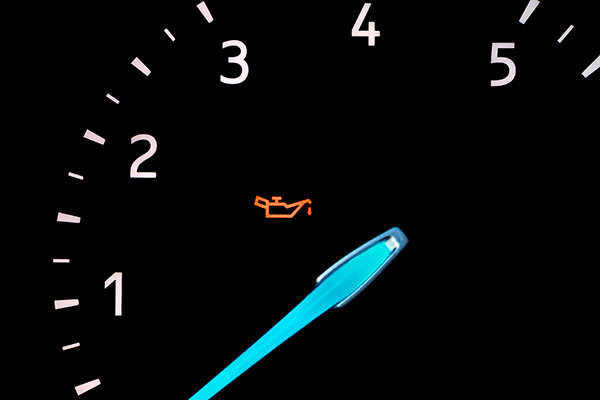
A flashing oil light gets your attention for a reason. It usually means the engine thinks oil pressure is dropping, and that pressure keeps metal parts from rubbing together. A low-pressure problem can turn expensive fast, sometimes in a matter of minutes. The goal is to treat it as urgent without panicking.
There is also a common mix-up here. Some vehicles have an oil change reminder that is yellow and tied to mileage, not pressure. A flashing red oil light is different, and it is not something to drive around and ignore. If you are not sure which warning you are seeing, assume it is the serious one until proven otherwise.
What The Light Is Actually Warning You About
The oil light is not measuring oil quality. It is warning you about oil pressure, which is the force pushing oil through passages to bearings, cam components, and other moving parts. Think of it like blood pressure for the engine. If pressure drops, the oil might still be in the pan, but it is not getting to the places that need it most.
Many cars use a pressure switch or a pressure sensor to monitor this. Some systems are simple and only report on or off. Others are smarter and can detect pressure trending low at idle, under braking, or during long highway drives. When the light flashes, the system is telling you that pressure is unstable or below its safe threshold.
What To Do Right Away If It Starts Flashing
If the oil light begins flashing while you are driving, the safest move is to reduce load and get to a safe place to stop. Ease off the throttle, avoid hard acceleration, and do not keep cruising at highway speed hoping it goes away. Once you can pull over safely, shut the engine off and give it a minute before checking anything.
Here are the quick steps that usually make sense in the moment:
- Pull over somewhere safe and turn the engine off as soon as you can
- Check the oil level with the dipstick and add the correct oil if it is low
- Look under the vehicle for fresh dripping or a wet trail that suggests a leak
- Pop the hood and look for oil sprayed around the filter area or filler cap
- If the oil level is normal, do not keep driving and assume the issue is pressure related
A flashing oil light plus strange noises is a strong sign to stop immediately. If you hear knocking, ticking that suddenly got loud, or the engine feels like it is losing power, shutting it down is usually cheaper than pushing your luck.
Common Causes Behind A Flashing Oil Light
Low oil level is one of the biggest causes, and it can happen from a leak or from oil consumption over time. A small leak at a gasket can become a bigger leak once the engine is hot and oil thins out. Some engines also burn oil between services, so the level drops gradually until pressure suffers.
Another common cause is oil that is too thin for the conditions. If the wrong viscosity is used or the oil is badly diluted by fuel from repeated short trips, hot idle pressure can fall. A clogged oil pickup screen inside the pan can also restrict flow, especially in engines with sludge buildup. If the pump cannot pull oil consistently, pressure can bounce and the warning can flash.
There are also mechanical wear issues. Worn engine bearings create larger clearances, which makes it harder to hold pressure when the oil is hot. A weak oil pump, a sticking pressure relief valve, or internal leaks in the system can create the same symptom. We see this more often on higher-mileage vehicles with long oil-change intervals.
Sensor And Wiring Problems That Can Fool You
Sometimes the engine is fine and the warning is wrong. A failing oil pressure sensor can send jumpy readings that trigger a flashing light, especially at idle. Wiring issues can also cause an intermittent signal, which shows up as a flicker that comes and goes with bumps or turns.
That said, you should not assume it is only a sensor until the basics are checked. The problem is that a true pressure issue can feel mild at first. If the light is flashing, you want a real measurement of pressure, not a guess based on how the engine sounds.
Why It Often Appears At Idle Or After A Long Drive
A lot of drivers notice the flashing oil light at a stoplight after the car is fully warmed up. That is because hot oil is thinner, and idle speed is the lowest pump speed. If the system is borderline, idle is where it falls under the threshold first. When you rev the engine slightly, the pump spins faster and pressure rises, so the light may stop.
Highway driving can trigger it too, but for different reasons. Long runs heat the oil, and sustained speed can reveal a restriction or a pump that cannot keep up under higher demand. If it happens after a long trip, it is worth mentioning the timing to the technician because it helps narrow the cause.
How To Prevent The Oil Light From Showing Up Again
The simplest prevention is staying on top of oil level checks between oil changes. It takes a minute, and it can catch a slow leak or steady consumption before it becomes a pressure problem. If your vehicle has a history of using oil, keep a quart in the trunk and check the dipstick every couple of fill-ups.
Also, stick to regular maintenance that fits the way you actually drive. Short trips, long idling, and towing create more stress on oil than easy highway miles. A periodic inspection for leaks around the oil filter housing, drain plug area, and lower engine can also catch problems while they are still small and manageable.
Get Flashing Oil Light Help In Gambrills, MD With Goss' Garage II
If you are seeing a flashing oil light, the next step is to stop driving and have the oil pressure checked so it is fixed correctly. That includes verifying oil level, confirming real pressure, and tracking down leaks or restrictions instead of swapping parts blindly.
Schedule service or visit Goss' Garage II in Gambrills, MD when you want a clear answer and a repair that holds up. If the vehicle needs towing, that is often the smarter move than risking engine damage. Once the root cause is handled, you can get back to driving without watching the dashboard every mile.